
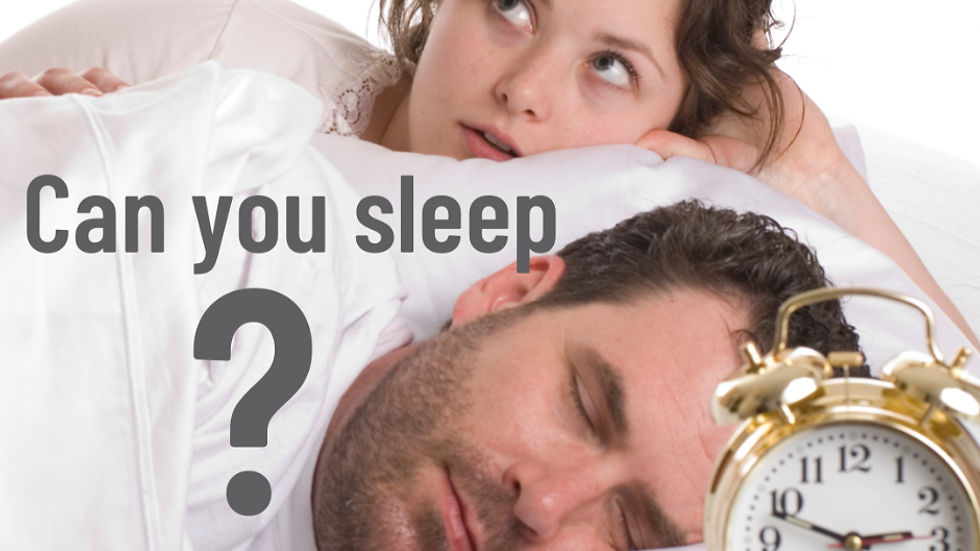
Hypnotherapy for Sleep: Overcoming Insomnia This Autumn

Why Sleep Problems Increase in Autumn
Autumn brings a unique set of challenges that can interfere with healthy sleep:
Clock changes: The switch from British Summer Time to GMT disrupts circadian rhythms.
Reduced daylight: Less exposure to natural light affects melatonin production and mood.
Seasonal stress: Busy schedules, rising workloads, and pre-Christmas pressures increase anxiety.
Cooler weather: While cosy nights can help some people, temperature fluctuations often disturb rest.
This combination means October and November are notorious for spikes in insomnia and sleep-related problems.
The Impact of Insomnia on Health and Wellbeing
Poor sleep doesn’t just make you tired; it affects every part of your life. Chronic insomnia can:
Weaken the immune system.
Increase irritability, anxiety, and low mood.
Reduce concentration, memory, and productivity.
Disrupt appetite and metabolism, leading to weight changes.
Increase the risk of burnout and long-term health conditions.
The longer insomnia continues, the harder it can feel to break the cycle — which is why early support is so important.
How Hypnotherapy Supports Better Sleep
Hypnotherapy works with the subconscious mind, where many sleep habits and stress responses are stored. Unlike medication, which only treats symptoms, hypnotherapy addresses the underlying thought patterns and behaviours that keep you awake.
Calming the Mind
Hypnotherapy helps quieten racing thoughts, reduce anxiety, and ease the mental “noise” that keeps you awake at night.
Resetting Sleep Associations
Over time, your brain can link the bedroom with stress, frustration, or wakefulness. Hypnotherapy reprogrammes these associations, helping you reconnect bed with calm and rest.
Breaking the Insomnia Cycle
By reducing stress and reframing unhelpful thought patterns, hypnotherapy interrupts the cycle of worry that often keeps insomnia going.
Building Healthy Sleep Habits
Sessions can help strengthen your ability to relax, let go of tension, and create mental routines that prepare your body for sleep.
The Science Behind Sleep Hypnosis
Research into sleep hypnosis shows that guided relaxation and positive suggestion can increase slow-wave sleep — the deep, restorative stage where the body repairs and the mind consolidates memory. This means hypnotherapy doesn’t just help you fall asleep more easily; it improves the quality of your rest.
For many clients, hypnotherapy becomes a long-term tool they can use whenever stress or insomnia reappears, without relying on medication.
Practical Tips to Improve Sleep This Autumn
While hypnotherapy provides powerful support, there are steps you can take at home to improve your sleep hygiene:
Keep a regular bedtime and wake time, even on weekends.
Get daylight exposure in the morning to support your body clock.
Avoid screens for at least an hour before bed, as blue light disrupts melatonin.
Create a calming routine such as reading, gentle stretching, or breathing exercises.
Limit caffeine and alcohol in the evening, as both affect sleep cycles.
These changes, combined with hypnotherapy, can make a dramatic difference.
Why Autumn Is the Perfect Time to Reset Your Sleep
Addressing sleep problems in October gives you the chance to feel more rested and energised before the busiest part of the year. Rather than dragging exhaustion into December and beyond, you can enter the festive season and the new year feeling balanced, healthy, and refreshed.
Frequently Asked Questions About Insomnia & Hypnotherapy
Q: How can hypnotherapy help with insomnia?
A: Hypnotherapy works by calming the mind, reducing anxiety, and reprogramming the subconscious patterns that keep you awake. It helps you build healthier associations with bedtime and promotes deeper, more restorative sleep.
Q: Is hypnotherapy safe for sleep problems?
A: Yes, hypnotherapy is a safe, non-invasive approach to sleep issues. It doesn’t involve medication and focuses on helping you relax naturally while creating long-term improvements in sleep quality.
Q: How many hypnotherapy sessions will I need for insomnia?
A: Every person is different, but many clients start noticing improvements within 3–6 sessions. The exact number depends on your personal sleep patterns, stress levels, and goals.
Q: Can online hypnotherapy work for insomnia?
A: Absolutely. Online sessions are just as effective as in-person appointments. Many clients around the world successfully improve their sleep using virtual hypnotherapy sessions.
Q: Will hypnotherapy cure my insomnia permanently?
A: Hypnotherapy isn’t a “quick fix,” but it provides you with tools to manage stress and retrain your sleep cycle. Many clients report long-lasting improvements and the ability to use techniques whenever sleep problems return.
Tailored Hypnotherapy for Insomnia and Sleep Problems
Every client is unique, which is why I offer personalised sessions that focus on your specific sleep triggers and lifestyle. Sessions are professional, confidential, and designed to help you make sustainable changes.
In-person sessions: London, Folkestone, Kent
Online sessions: Available worldwide
Take the First Step Towards Restful Sleep
You don’t have to struggle through another autumn of sleepless nights. Hypnotherapy can help you overcome insomnia, calm your mind, and restore natural, refreshing sleep.
Contact me today to arrange your free initial consultation and take the first step towards better sleep this October.


Comments